

Written by Julie Sumrack – TailorCare Chief People Officer
TailorCare was named one of Modern Healthcare’s Best Places to Work 2026 for the second year in a row. The recognition means a lot, but what I’m most proud of is what earned it: years of intentional work building a human-first, high-performance culture our people actually built.
When Rachel, our founder and CEO, and I sat down together nearly four years ago to talk about building a culture at TailorCare, we reached an agreement: put humans first and trust that performance follows. That agreement has shaped every decision our people team has made since, because at the end of the day, everyone just wants to feel like they matter.
Everyone owns Culture
I have one conviction I come back to constantly. Everyone owns culture.
That might sound counterintuitive coming from a Chief People Officer, but culture ownership that lives only in HR eventually becomes a program employees participate in rather than something they feel. You want culture to be something people live and that means it has to be owned by everyone.
At TailorCare, ownership is distributed. Leaders model what we care about. They take PTO for family vacations. They communicate with transparency especially when things are uncertain. They check in on their teams as people before they check in on deliverables. Our people team helps design the structure for connection and recognition but every employee participates.
We call our underlying philosophy “Project Intentionality.” The premise is simple: when you cannot rely on proximity to create connection, you have to design it on purpose.
Project Intentionality: How a Remote Company Builds Real Connection
Being fully remote across 28 states is a genuine challenge. The hallway conversations, chance encounters and organic moments of connection that come with a shared office do not exist for us. Every touchpoint has to be designed with intention.
That means thoughtful communications: all-hands meetings, proactive updates during change, culture ambassadors leading activities and celebrations, and leaders who make sure people understand what’s happening and why.
My team meets twice a week to review internal communications and employee happenings, making sure we’re ahead of what people need to know and saying it clearly when we do.
We also build structure around connection itself. In 2025, we launched our first culture committee, organized around learning and development, connection and wellness. I expected it to take two or three years to find its footing. Instead, our first year was a total hit: over ten initiatives, collaboration across all departments, and a real sense of shared ownership across the company.
We also rely on Slack to help us build community. In our pet channel, people share pictures of their animals to brighten up tough days. The Happy Place Channel is a favorite, where employees share their happiest moments, like a son’s state championship win, a daughter’s first steps, a family picnic by the lake, or a Halloween costume that made everyone laugh.
Our Shoutout channel runs all day recognizing people who write because they mean it. And then there’s our Patient Highlight channel, where we celebrate our care teams who show up every day and give compassion freely. Those posts stop you in your tracks. They’re a reminder of why we’re all here.
Last year alone, our team sent nearly 675,000 Slack messages. That’s not noise. That’s people staying connected uniquely in a remote environment.
It’s small, consistent acts of recognition like these that make people feel seen and respected.
Every employee gets a birthday card in their mailbox. First days are thoughtful and organized from the moment someone logs on. We send meals when someone goes out on leave, cookies on tough days, and personal notes when someone gets promoted. We keep a full calendar of recognition moments so nothing falls through the cracks.
We often hear employees say “there’s something different here.” It’s the recruiter who makes sure a candidate isn’t left wondering all weekend. It’s the care team who sends a care package after a pet loss. It’s the manager who lends an ear after a tough patient call. They’re right, there is something different here, and we don’t take that for granted.
You can build those moments in a remote company with consistency and design, and we have been doing it from day one.
How Culture Improves Care
At TailorCare, the care we show our employees directly shapes the care they provide throughout the patient journey. Listening, empathy, recognition and support are not just internal culture practices, they become part of how our teams engage with patients every single day.
Because our employees feel seen and appreciated for the work they do, they are more present, compassionate and invested in outcomes. That shows up in the way they listen to patients, build trust, guide behavior change and stay engaged through difficult moments in the care journey.
We see the impact reflected in both our culture and our outcomes:
- Well above industry average patient NPS scores
- 90% improvement in member pain and function
- High levels of patient activation and engagement, including 87% adherence to conservative care recommendations
- The ability to attract and select exceptional talent because of the enthusiasm around our mission
- Employees who feel connected to the work when they see patients improving and getting their lives back
There is a direct connection between employee experience and patient experience. People who feel cared for are far more likely to extend that same level of care, empathy, and commitment to others.
Culture and Performance Drive Each Other
The process for awards like Modern Healthcare’s Best Places to Work is thorough. Our employees are surveyed anonymously and we’ve tracked quarterly pulse surveys since 2022. Those years of employee data keep proving the same thing: culture and performance don’t compete, they drive each other.
Our 2025 engagement score averaged 85% and manager effectiveness scores are consistently in the 90s. In 2025, over 35,000 people applied to work here across 80 roles. Forty percent of our 2025 hires came from employee referrals, which says everything about how proud people are to bring others into TailorCare. Our clinician turnover rate sits in single digits, well below market. That’s not luck. It’s what happens when people are engaged, relationships deepen, and trust compounds over time.
We have high standards and real accountability at TailorCare. Talented people want to work alongside others who pull their weight, and tolerating low performance is a disservice to everyone on the team. What we pair with those standards is clear expectations, strong management, and feedback loops people can count on. Giving someone honest, direct feedback when they’re not meeting the bar is one of the most respectful things you can do for them. It’s what gives them the chance to grow.
Treating people like humans first does not come at the expense of performance. It drives performance.
Lessons for Other Companies, Even Without a Big Budget
The question I hear most often from other leaders is some version of: “That is great for TailorCare, but we don’t have that kind of budget.”
Here is my honest answer. We do not have a big budget. What we have built, we have built through communication, intention and small gestures that make people feel heard and respected. Treating people well is free. Asking someone how their grandmother is doing after a hard week, checking in on someone as a person before you check in on their project is free.
Culture lives in behavior. The quality of feedback you give people, honesty of the conversations you are willing to have and degree to which you see them as human beings. The offsite and the swag are nice perks. Culture is something you build every day, one interaction at a time.
Keeping the Fire Lit
You can’t set and forget culture. Like any strong relationship, it requires ongoing intention, attention, and care.
TailorCare is going into its fourth year. What we have built didn’t happen by accident. It’s the product of shared ownership, thousands of small acts layered over time and a team that shows up for each other every single day. Our people are engaged, our performance is strong and our care teams bring genuine presence to every patient interaction.
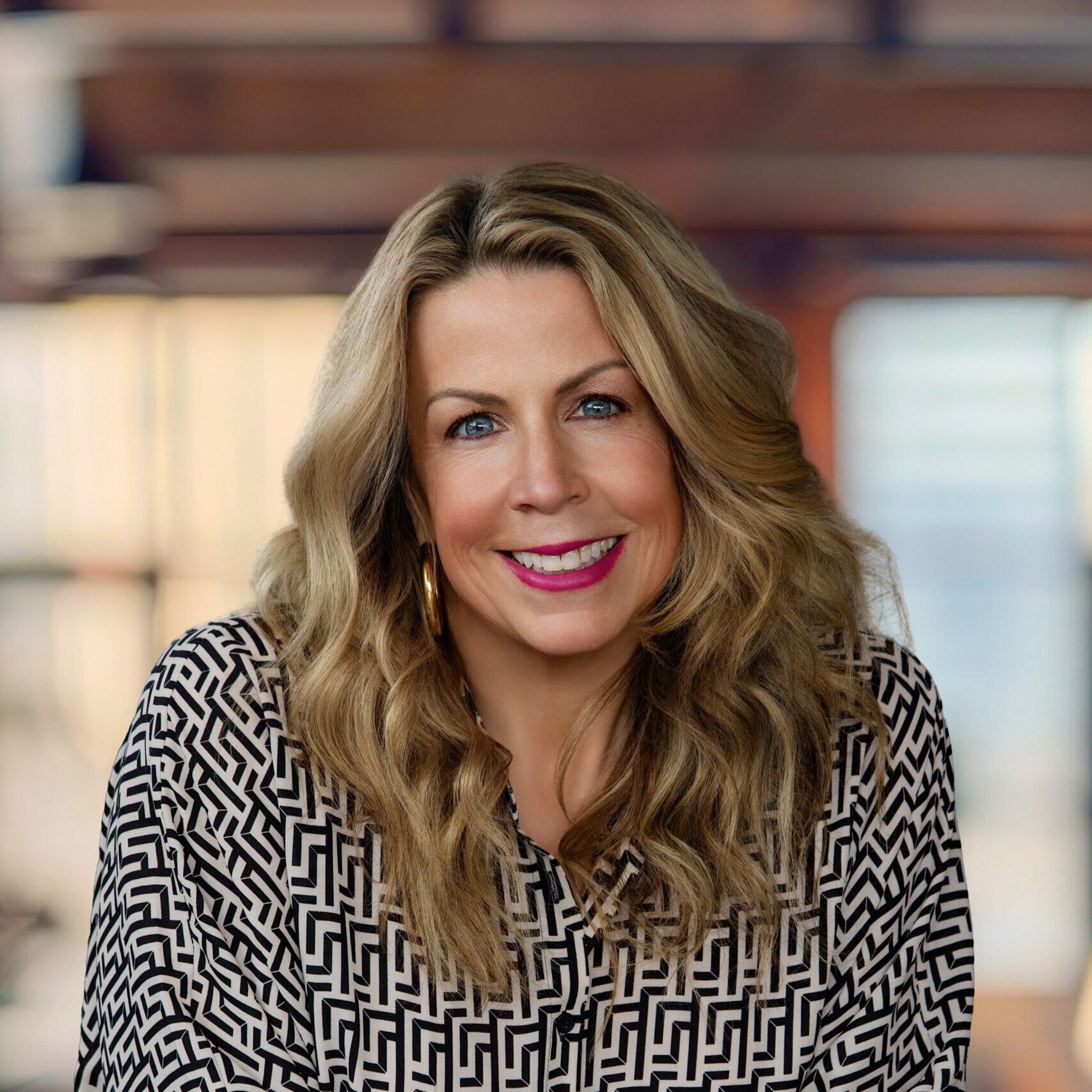
By Julie Sumrack – TailorCare Chief People Officer
Julie Sumrack is the Chief People Officer at TailorCare, where she shapes and executes the strategic vision for all human resources initiatives. A seasoned HR executive, Julie specializes in scaling healthcare organizations. Her notable past experience includes serving as the founding HR leader at Contessa Health as well as holding key HR roles at Vanguard Health Systems and Tenet Healthcare following its acquisition of VHS. Julie holds a dual bachelor’s degree in Human Resource Management and Psychology from Michigan State University, an MBA from Baker College and an SPHR certification.